Category: Our Work

Our Work

GBV Survivor Support & Participatory Action Research Project

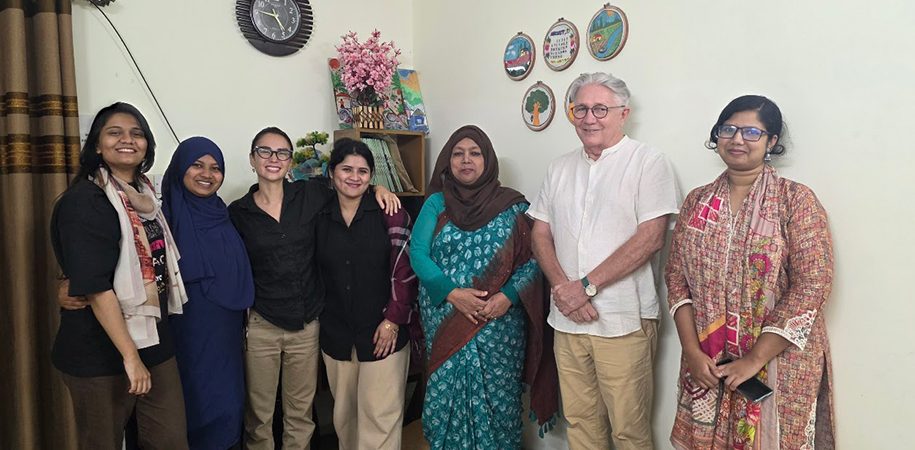
OUR WORK GBV Survivor Support & Participatory Action Research Project Survivor-Centred Pathways to Justice and reparations in the Rohingya refugee communities in Cox’s Bazaar, Bangladesh Project (Cox’s Bazar – GBV Survivor Support & Participatory Action Research Project) funded by Global Survivors Fund and Asia Justice and Rights . Implemented by: AID-COMILLA & Asia Justice and Rights (AJAR)Implementation Location: Camp 13 & 8EastBackground on CRSV On 25 August 2017 more than 700,000 Rohingya fled Rakhine State, crossing into Bangladesh to escape widespread violence, killings, sexual assault and other atrocities. This exodus was described by UN officials as a “textbook example of ethnic cleansing”. However, this was only the most recent and largest displacement. Rohingya have experienced multiple waves of violence over several decades—including Operation Nagamin in 1978, Operation Pyi Thaya in 1991–1992, the communal violence of 2012, and the 2016 “area clearance operations”—all of which likely contributed to earlier generations of CRSV survivors who are now living in the camps. While the largest wave arrived in 2017, Rohingya have continued to cross the border over the years, and an estimated 150,000 additional people have arrived more recently. Among these new arrivals are women and girls who survived CRSV in Myanmar, alongside reports of CRSV attributed to the Arakan Army in ongoing clashes in Rakhine State. Rohingya refugees now live primarily in the Kutupalong refugee settlements in Cox’s Bazar, one of the largest refugee camps in the world, where conditions remain precarious and return to Myanmar is widely considered unsafe, undignified and legally uncertain. The sexual violence perpetrated against Rohingya women and girls during the 2016–2017 “clearance operations” was widespread, systematic and carried out in conjunction with other grave violations. Survivors consistently describe gang rape, rape during raids, rape in front of family members, and sexualised torture, often occurring alongside killings, disappearances, beatings, arson and forced displacement. AJAR and GSF’s mapping efforts, including participatory research and repeated consultations with Rohingya women, show that entire “hotspot” villages experienced extensive and patterned CRSV. Women from these villages often know each other and provide mutually reinforcing accounts of perpetrator groups, methods used and the context in which the violence occurred, confirming the coordinated nature of CRSV rather than isolated cases. Rohingya society is deeply patriarchal, and CRSV carries profound stigma. Survivors often face blame, shame, social exclusion and restrictions on movement or participation. Disclosure can risk family breakdown or community backlash. As a result, many survivors have never spoken about their experiences, and the true scale of CRSV among Rohingya women and girls remains unknown. Nevertheless, available evidence and community engagement indicate that thousands of women in the camps are direct survivors of CRSV from Myanmar or during displacement. AJAR’s 2021 participatory report, After the Dark: I Bloom Like a Flower, documents the lived experiences and aspirations of Rohingya women survivors. The findings remain highly relevant. Survivors explained that CRSV rarely occurred in isolation but in a “context of other crimes”: arson, killings, abductions, and the destruction of entire communities. Many highlighted the need for trust and survivor-led disclosure, emphasising that they must be in control of when and how they speak about their experiences. Recognition of what happened—acknowledgement of truth, identity, and the harms suffered—was described as a foundational element of their healing. Survivors expressed a strong desire for justice, accountability and eventual restitution of rights, including citizenship and safe return. They also spoke about the value of knowledge, empowerment and community solidarity as pathways to personal and collective strength. For the purposes of this project, CRSV refers specifically to rape, gang rape, sexual assault, sexualised torture and other acts of sexual violence committed in the context of armed conflict and persecution in Myanmar. While men and boys have also experienced CRSV, the majority of survivors are women and girls. The project will therefore focus primarily on direct female CRSV survivors aged 18 and above, ensuring that support is tailored, appropriate and safe within the cultural and social realities of the camps. This proposal outlines a 12-15-month community-based initiative to strengthen support, documentation, and advocacy with GBV survivors in the Rohingya refugee camps in Cox’s Bazar. Building on AJAR and AID-Comilla’s partnerships and presence in the camps, the project focuses on survivor-informed knowledge production, safe participation, and collective advocacy, while remaining fully aligned with camp regulations, protection principles, and humanitarian coordination mechanisms. The project does not introduce new service delivery structures. Instead, it works through participatory methods to document GBV-related harms, survivor priorities, and barriers to justice and protection, and to translate these into ethical, non-identifiable knowledge products and advocacy messages. All activities prioritize safety, confidentiality, and Do No Harm principles, and are designed to complement existing GBV response actors. In recognising the full spectrum of perpetrators relevant to CRSV, the following categories are included within the project’s working definition: Myanmar military (Tatmadaw) Primary perpetrator during the 2016–2017 “clearance operations”; responsible for widespread, systematic CRSV Myanmar Border Guard Police (BGP) Involved in raids, beatings, disappearances and sexual violence in earlier and later cycles of violence Rakhine militias / pro-government local groups Participated in joint operations and were reported perpetrators of sexual violence in several villages. Arakan Army (AA) Documented incidents of CRSV during renewed conflict in Rakhine State among more recent arrivals. Non-state armed actors during flight/displacement Some women and girls reported assaults while fleeing Myanmar or in transit Armed groups and criminal actors inside the camps Sexual violence perpetrated within the camps—including by armed groups, gangs, or individuals exercising coercive control—might fall within the project’s definition of CRSV when linked to conflict, displacement or broader patterns of persecution. This will be discussed with the consultative group, including the question of the limit of the scope when it comes to victims of “civilian” violence. Since AJAR began its work in the camps in 2019, it has observed that CRSV survivors continue to endure profound physical, psychological and social harms. Many suffer from chronic pain, reproductive health complications, depression, anxiety and long-term trauma. The loss of family members, the destruction of their homes and

Explore More
Women Development through Internet

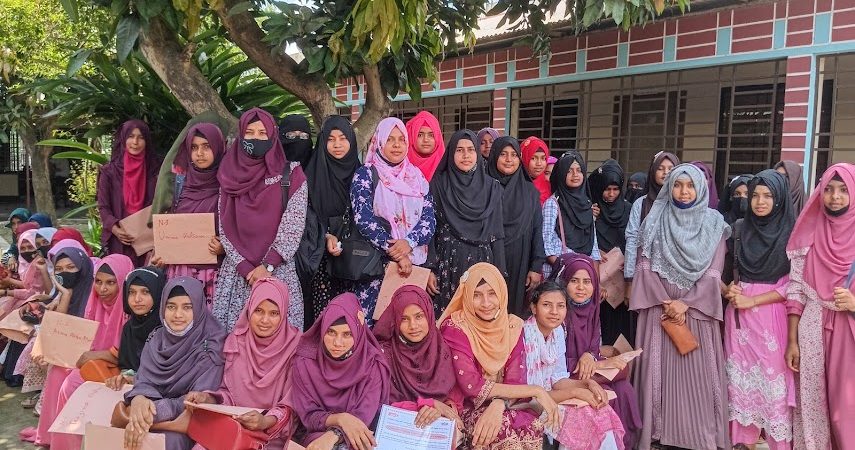
OUR WORK Women Development through Internet AID-COMILLA implements a number of projects on Women Development through internet connectivity in Kurigram District with funding support from Christian Aid & Internet Society Foundation-USA. Internet connectivity in Vegetable value chain is a way to move the vegetable product from producer to consumer. Current value chain involves several intermediaries in the process. As a result, their involvement and activities raised the vegetable cost at the end market. Consumers need to pay the excessive price and producer receive very low price from their production. Maximum margin goes to intermediaries, stock. Naturally, the producer and customer want to minimize the number of intermediaries, marketing step and their activities as much as possible. So that the farmer will earn more and consumer will pay less. The Internet Society Foundation funding consists   of   a   farmer,   farmer’s   collection   centre, regional/divisional wholesaler, retailer and consumer. Our main focus is to involve women farmers in their vegetable marketing. The project will establish 100 women farmer’s cooperative / groups will be established in each and every village under the project locations . The organization will organize, and manage by the women farmers. This farmers’ cooperative/ group will build a collection centre in their production area.  This collection  centre  will  also  be  managed  by  women farmers  themselves.  The functions of these cooperative/ women group  are the collection of member’s vegetables, contact with regional wholesaler and retailer, managing credit service, and managing information. The collection centre will involve in activities like the collection of market information, the collection of products, price determination, proper distribution, transportation, storage and other marketing activities. As the collection centre form by the women farmers themselves, it will help the women farmer to get the fair price. They can negotiate prices with wholesaler and retailer through the internet connectivity. This value chain will be more efficient if they sell their product to the retailer directly.  The  most  efficient  value  chain  will  be  established  if  farmers  collection  centre confirms their business directly with the retailer instead of the wholesaler. As a result, it will reduce the supply chain and supply chain cost. So that the farmer will get the fair and attractive price and consumer will get the product at a lower cost. Key Activities: Identify and select Change Agents (CA) from project locations (100 women): E-commerce Training to CAs (100 women): Organize 2 day digital literacy and online business workshop for local businessman: Supporting/training to women to set-up horticultural enterprises (500 women): Innovation centers to help farmers identify technology and marketing options: Linking women to the internet and e-commerce: 1 day capacity building on financial management: Mobile Phone for Change Agent communication: Establishment of Wi-Fi hubs: Demo plot for horticultural cropping (traditional methods): Demo plot (hydroponic technology): Farmers field days to demo plots Group meetings and orientation on digital literacy/e-commerce: Learning – Sharing Festival: Women farmers visit to Sher-e-Bangla Agricultural University and Bangladesh Agricultural Research Institute for learning purpose: Student of Sher-e-Bangla Agricultural University to visit research area in third year, one batch of 100 students: Provide IGA support to change agents of groups to sustain /start their business : Project Closing ceremony: OUR RECENT WORK Women Development through Internet Rohingha Response Promoting Peace and Justice Preventing Child Marriage Pond Fisheries Development Integrated Pest Management in Rice Flood -Emergency Response Farmers Training on Ecology Corruption Prevention Chars Livelihoods Program Combating Gender Based Violance

Explore More

Rohingha Response

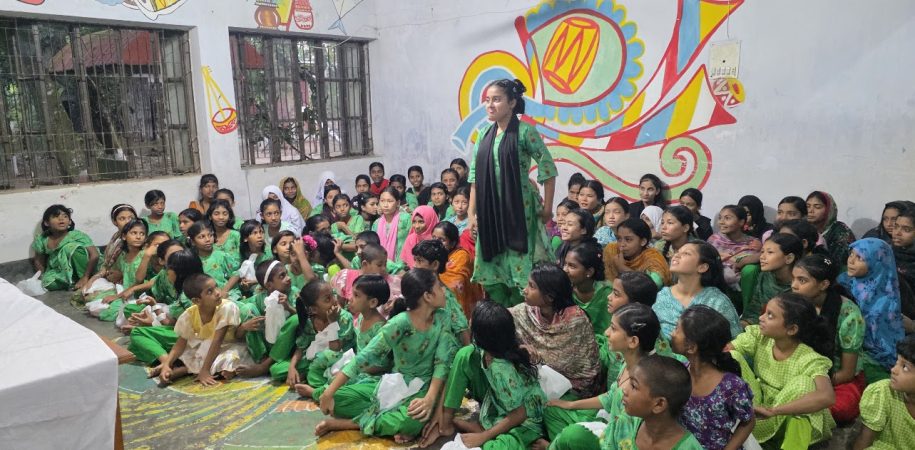
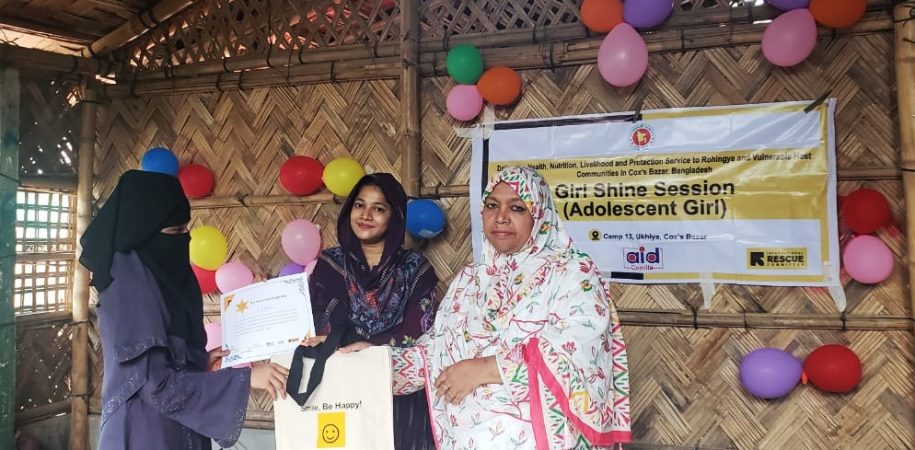
OUR WORK Rohingha Response AID-COMILLA implements a number of projects with Rohingya community in camps 13, 15 & 22 in Coxsbazar with funding support from International Rescue Committee –IRC and NEAR Fund since 2021. Our main focus area is Combating Gender Based Violence among Rohingya & host community. Major activities:   Provide survivor-centered integrated and inclusive GBV response services and referrals to promote the safety and well-being of women, girls, men, and boys affected by GBV : Provision of Survivor-Centered GBV Case Management Services for Women, Girls, and Other Marginalized Communities; Provision of Vulnerability/Dignity Kits to Survivors of GBV; Integration and Coordination Meeting of GBV, Health, Nutrition, and Livelihood actors of the Consortium; Observation on international Girl child day, International Women’s Day and 16 Days of Activism Against Gender-Based Violence; Conduct Women Rise Sessions to provide GBV-centred group PSS activities to WGSS women (11 group PSS session); Conduct specialized life skills activities to improve adolescent girls access to SRH and GBV prevention and response services ; Selection of Beneficiaries for Girl Shine Program (Adolescents and Caregivers) ; Conduct Baseline Survey with Girl Shine Program Participants  (Adolescents and  Caregivers); Conduct Life Skills Sessions with Adolescent Girls (15participants); Conduct Girl Shine Caregiver Curriculum Sessions with  Adolescent Girls ; Conduct Early Marriage Curriculum Sessions with Married Girls ; Conduct Early Marriage Curriculum Sessions with Married girls Caregivers  ; Conduct Early Marriage Curriculum Sessions with Unmarried Girls; Conduct Early Marriage Curriculum Sessions with Unmarried girls Caregivers ; Conduct End line Survey with Girl Shine Program Participants; Girl Shine Graduation Ceremony Programme and Graduation Kit; Steering Committee  Girl shine and EMAP) Engage men and boys in behavior change discussions on GBV using  SASA Together, EMAP , and EMAP plus ; EMAP Plus Orientation and Meeting with Community Leaders, Members, and Existing Groups; 1 Day Training of Community Leaders on Core Concepts and Referral; Conduct EMAP Plus Sessions with Men , Women and Boys  Groups; Conduct session with  caregiver of Boys; Conduct End line Survey for EMAP; Information session for male participants and their female partners.; Caregiver engagement session and supporting curriculum for Boys; Girls and boys dialogue session; Sports, art, and cultural materials for boys’ engagement; EMAP Plus Implementation Support Cost( Logistic); Develop Safety mapping and risk mitigation action : Training for GBV Risk Mitigation      with Community-Based Groups; Organize quarterly meetings with community-based  groups; Conduct safety audit with community based groups; Capacity Building  Training for Volunteers; Community Outreach and Radio Listening Session; The Rohingya Response represents one of the most significant humanitarian operations in recent history. It emerged as a global priority after a massive influx of Rohingya refugees into Bangladesh in 2017, following widespread violence and persecution in Myanmar. The Rohingya, a stateless ethnic minority from Rakhine State, fled their homes in search of safety and protection. Most of them have taken refuge in Cox’s Bazar District, where large-scale refugee camps have become the center of humanitarian operations. The response is guided by the principles of protection, human rights, and humanitarian assistance. The primary objective is to ensure the survival, dignity, and well-being of the refugee population while also supporting the host communities affected by the crisis. Humanitarian actors provide essential services including food assistance, shelter, water, sanitation, healthcare, and education. In parallel, special emphasis is placed on safeguarding vulnerable groups such as women, children, the elderly, and persons with disabilities. Protection mechanisms are strengthened to address issues of exploitation, trafficking, and gender-based violence, which remain critical concerns in the refugee camps. Health and nutrition services are at the core of the response, with comprehensive programs focusing on disease prevention, maternal and child health, vaccination campaigns, and nutritional support to combat malnutrition. Education, although limited, is delivered through informal learning centers and community-based initiatives, aiming to provide children with basic literacy and life skills. Vocational training and capacity-building activities are also implemented to empower youth and reduce long-term dependency on aid. The response involves multiple actors, including the Government of Bangladesh, international agencies, and humanitarian partners. Key organizations such as the United Nations High Commissioner for Refugees (UNHCR), International Organization for Migration (IOM), United Nations Children’s Fund (UNICEF), and World Food Programme (WFP), along with national and international NGOs, coordinate their efforts through the Inter Sector Coordination Group (ISCG). This coordination ensures that resources are used efficiently and that the needs of both refugees and host communities are addressed effectively. Despite the scale of humanitarian efforts, the Rohingya response faces significant challenges. Overcrowding in the camps, environmental degradation, and funding shortages remain major obstacles. The prolonged nature of displacement has intensified protection risks, with limited access to education and livelihood opportunities. Moreover, the absence of a political solution in Myanmar has made voluntary repatriation uncertain. In the long term, the response aims to uphold the rights, safety, and dignity of the Rohingya people while seeking durable solutions. These solutions may include voluntary, safe, and dignified return to Myanmar when conditions allow, resettlement to third countries, or other sustainable options. At the same time, efforts continue to strengthen resilience, build community capacity, and support host communities to promote social cohesion and stability. The Rohingya response, therefore, stands as both a humanitarian imperative and a test of the international community’s commitment to shared responsibility and human dignity. OUR RECENT WORK Women Development through Internet Rohingha Response Promoting Peace and Justice Preventing Child Marriage Pond Fisheries Development Integrated Pest Management in Rice Flood -Emergency Response Farmers Training on Ecology Corruption Prevention Chars Livelihoods Program Combating Gender Based Violance

Explore More

Promoting Peace and Justice

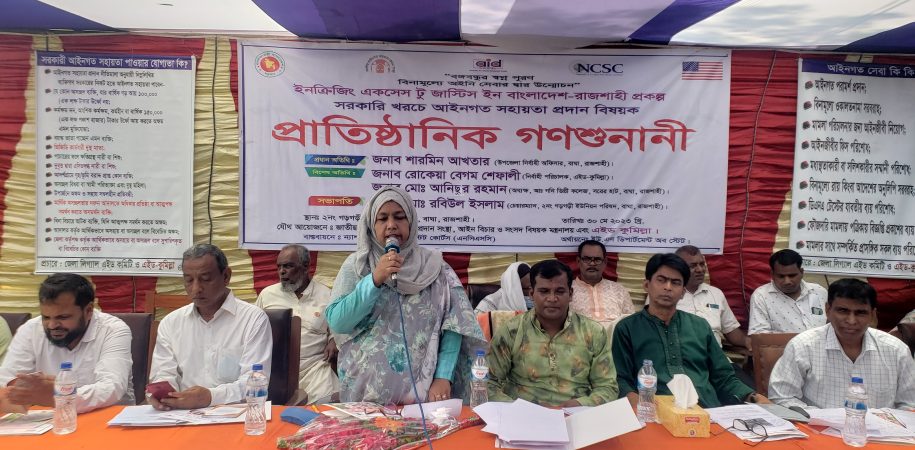
OUR WORK Promoting Peace and Justice AID-COMILLA implements a number of projects on Promoting Peace and Justice (PPJ)  / Justice for All (JFA) with funding support from Democracy International –USA (USAID Funding), National Center for State Courts-USA (US State Department funding), European Commission , MISEREOR-Germany in Comilla, Feni, Lakshmipur, Kurigram, Rangpur, Dinajpur and Rajshahi district since 2007  Major Activity but not limited to Arrange District Level Workshop in Comilla, Kurigram, Lakshmipur & Feni District, Orientation for UZLAC members at Upazila level, Orientation for UPLAC members at Union level, Sensitization session for UZLAC including issue areas such as TIP, GBV, VE etc., Sensitization session for DLAC including issue areas such as TIP, GBV, VE etc., Public hearing event, School Debate, Observation of National Legal Aid Day on April 28 at District and Upazila level, Facilitation of bi-monthly Union Legal Aid Committee (UPLAC) meeting  at Union level for 55 union, Facilitation of bi-monthly Upazila Legal Aid Committee (UZLAC) meeting at Upazila level for  05 Upazila, Courtyard meeting at ward level involving all citizens (male-female), printing of IEC/BCC materials and distribution Promoting peace and justice in Bangladesh is a vital endeavor for building a fair, inclusive, and harmonious society. Peace and justice are not only moral imperatives but also essential pillars for sustainable development and democratic governance. As a country with a rich cultural heritage and a diverse population, Bangladesh faces both opportunities and challenges in its journey toward a just and peaceful society. A peaceful society is built upon the foundation of justice, where every citizen enjoys equal rights and protection under the law. In Bangladesh, access to justice remains a critical concern, particularly for marginalized communities such as women, ethnic minorities, and the poor. Strengthening the rule of law and ensuring timely and fair judicial processes are central to promoting peace and justice. Expanding legal aid, modernizing the judicial system, and promoting alternative dispute resolution can help make justice more accessible and efficient. Good governance and accountability also play a crucial role in maintaining peace and justice. Transparent and accountable institutions reduce the risk of corruption, political unrest, and social inequality. Ensuring citizen participation in decision-making, empowering civil society, and strengthening oversight mechanisms help build trust between the government and the people. A just society cannot thrive without a governance system that is fair, inclusive, and responsible. Social cohesion is another essential component of lasting peace. Bangladesh is home to diverse religious, ethnic, and cultural groups, and promoting mutual respect and tolerance among these communities is key to preventing conflict. Community-based peacebuilding initiatives, intercultural dialogue, and youth engagement can strengthen social harmony and reduce the potential for division and violence. Furthermore, gender equality and the empowerment of marginalized groups are central to the pursuit of justice. Promoting women’s participation in decision-making, ensuring protection against gender-based violence, and creating opportunities for disadvantaged communities foster a more equitable and peaceful society. When everyone’s voice is heard and respected, peace becomes more sustainable. Education also serves as a powerful tool in nurturing a culture of peace. Integrating peace and human rights education into curricula, promoting critical thinking, and encouraging dialogue can help shape future generations who value justice and non-violence. Media and digital platforms can further amplify messages of tolerance, equality, and mutual respect. Bangladesh’s commitment to global frameworks, such as Sustainable Development Goal 16 — Peace, Justice and Strong Institutions — reflects its dedication to building a peaceful and just society. By upholding human rights, strengthening democratic institutions, and fostering cooperation with international partners, the country moves closer to achieving lasting peace. Ultimately, promoting peace and justice in Bangladesh is not the responsibility of the government alone. It requires the collective effort of communities, civil society, the private sector, and individuals. By ensuring equality, fairness, and respect for human dignity, Bangladesh can build a society where peace is not merely the absence of conflict, but the presence of justice, harmony, and hope for all. OUR RECENT WORK Women Development through Internet Rohingha Response Promoting Peace and Justice Preventing Child Marriage Pond Fisheries Development Integrated Pest Management in Rice Flood -Emergency Response Farmers Training on Ecology Corruption Prevention Chars Livelihoods Program Combating Gender Based Violance

Explore More

Preventing Child Marriage

OUR WORK Preventing Child Marriage AID-COMILLA implements a project on Preventing Child Marriage  in Tangail, Kurigram, Rangpur, Chapainowabgonj, Noagaon & Coxsbazar  with funding support from WINROCK-International (USAID Funding) period covering January-August 2020 Preventing Child Marriage in Bangladesh Child marriage, a deeply rooted social ill, continues to cast a shadow over the lives of countless young girls in Bangladesh. Despite progress in education and legal frameworks, the practice remains widespread, fueled by poverty, gender inequality, and long-standing cultural traditions. For many families, marrying off daughters at an early age is seen as a solution to financial hardships or a way to protect family honor, yet the consequences are profound and far-reaching. The impact of child marriage is devastating. Girls are forced to abandon education, curtailing their dreams and potential. Early pregnancies pose serious health risks, often resulting in complications or even maternal and infant mortality. Emotionally, these young brides face isolation, domestic pressures, and a loss of childhood—a heavy burden carried long before they are ready. Economically, child marriage perpetuates cycles of poverty, as girls deprived of education have fewer opportunities for employment and independence. Over the years, Bangladesh has taken significant steps to combat this issue. Laws such as the Child Marriage Restraint Act set the minimum age for marriage at eighteen for girls and twenty-one for boys. National action plans and policies emphasize education, legal enforcement, and awareness programs, aiming to shift social norms that condone early marriage. Civil society organizations, NGOs, and international agencies have been instrumental in raising awareness, empowering girls, and engaging communities to challenge harmful traditions. Education emerges as one of the most effective tools in preventing child marriage. Girls who stay in school are more likely to delay marriage, gain knowledge about their rights, and aspire for better futures. Community engagement is equally critical, as changing entrenched social attitudes requires dialogue with parents, religious leaders, and adolescents themselves. Economic support for vulnerable families—through cash incentives or livelihood programs—further reduces the pressures that drive early marriage. Although progress has been made, child marriage persists, especially in rural and economically disadvantaged regions. The struggle to eradicate it is ongoing, demanding a holistic approach that combines legal enforcement, education, economic empowerment, and cultural transformation. Preventing child marriage is not just a matter of policy; it is a moral imperative to protect the rights, health, and dignity of Bangladesh’s daughters, and to ensure that every girl has the chance to grow, learn, and thrive. OUR RECENT WORK Women Development through Internet Rohingha Response Promoting Peace and Justice Preventing Child Marriage Pond Fisheries Development Integrated Pest Management in Rice Flood -Emergency Response Farmers Training on Ecology Corruption Prevention Chars Livelihoods Program Combating Gender Based Violance

Explore More

Pond Fisheries Development

OUR WORK Pond Fisheries Development AID-COMILLA implements Grater Noakhali Aquaculture Extension Project with the funding support from Royal Danish Embassy (DANIDA) , Dhaka Bangladesh Overview Pond fisheries occupy a central place in the tapestry of Bangladesh’s rural life and economy. Interwoven with the rhythms of daily living, these waterbodies—small homestead ponds, larger village ponds, and community-managed reservoirs—are more than mere sources of food; they are vessels of livelihood, nutrition, and cultural heritage. Particularly in the southwestern regions, the tradition of pond fish culture has persisted for generations, evolving in response to environmental, economic, and technological shifts. In recent decades, pond aquaculture has grown to account for nearly half of the country’s total aquaculture production. During the 2023–24 fiscal year, nearly 2.978 million metric tons of fish were harvested from ponds and other managed waterbodies, forming a backbone for both rural diets and income. The waters of Bangladesh’s ponds teem with a diversity of species—Tilapia, Pangas, Rui, Katla, Mrigal, Koi, Shing, and Pabda—each contributing uniquely to the ecological balance, household nutrition, and local economies. The methods of pond culture reflect a blend of tradition and innovation. Most ponds are managed under extensive or semi-intensive systems, relying on locally available resources while gradually incorporating modern scientific techniques. Stocking densities are carefully maintained, and the nurturing of juvenile fish requires meticulous attention to water quality, feed, and seasonal changes. Innovations such as aquageoponics—where pond water enriched with fish nutrients nourishes vegetables—illustrate the creative adaptation of aquaculture to sustainable farming practices. Pond fisheries are deeply interwoven with the socioeconomic fabric of Bangladesh. With over 4.27 million homestead ponds, nearly one-fifth of rural households rely on these waterbodies for supplemental income. For many families, fish harvested from ponds are not merely commodities but vital sources of protein, contributing directly to household nutrition and food security. These ponds also act as communal anchors, places of social interaction, cultural practice, and local identity. Yet, the sector faces challenges. Environmental pressures—such as the overuse of fertilizers and pesticides, changing rainfall patterns, and rising salinity in coastal regions—pose risks to both yield and ecosystem health. Climate change looms as a persistent threat, compelling fish farmers to seek adaptive strategies. At the same time, the infusion of technology, training, and technical support from governmental and non-governmental organizations offers avenues for growth, resilience, and sustainability. Pond fisheries, from the historic Dharmasagar Pond of Comilla, built in 1458, to the myriad small homestead ponds scattered across the countryside, narrate a story of human ingenuity and ecological partnership. They are living laboratories where age-old practices meet modern innovation, where sustenance and livelihood converge, and where the quiet waters of Bangladesh reflect both the nation’s heritage and its promise. In essence, pond fisheries in Bangladesh are not merely a sector of aquaculture—they are a testament to the harmonious interplay of culture, economy, and ecology. Their future lies in the careful balance of tradition and technology, conservation and productivity, local knowledge and scientific innovation. OUR RECENT WORK Women Development through Internet Rohingha Response Promoting Peace and Justice Preventing Child Marriage Pond Fisheries Development Integrated Pest Management in Rice Flood -Emergency Response Farmers Training on Ecology Corruption Prevention Chars Livelihoods Program Combating Gender Based Violance

Explore More

Integrated Pest Management in Rice

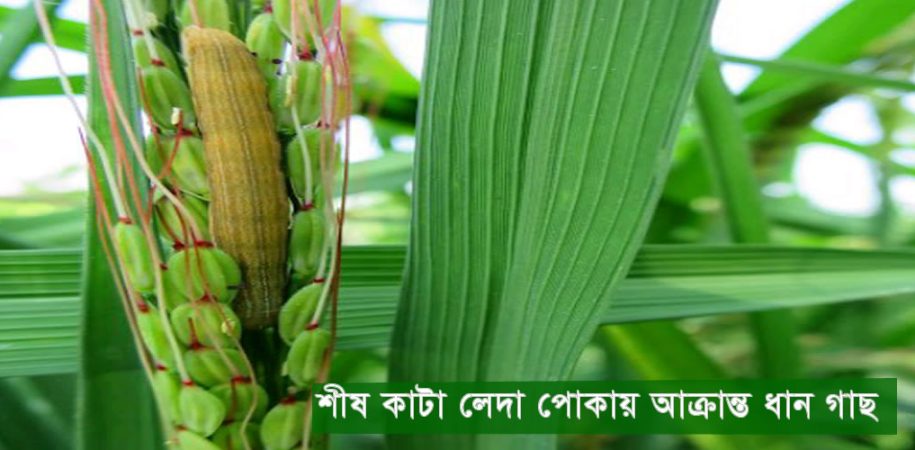
OUR WORK Integrated Pest Management in Rice AID-COMILLA implements a number of development project including research project on Integrated Pest Management in Rice (IPM-Rice)  in Comilla, Noakhali, Feni & Lakshmipur District with funding support from DANIDA, DFID/UKAid, PETRRA/IRRI etc. Rice is the staple food of Bangladesh, forming the backbone of both food security and rural livelihoods. Over the decades, rice cultivation in Bangladesh has faced significant challenges due to pest infestations, which threaten both yield and farmer income. Traditional reliance on chemical pesticides, while initially effective, has led to ecological imbalances, pest resistance, and health hazards. In response, Integrated Pest Management (IPM) has emerged as a sustainable alternative, combining scientific knowledge with farmer participation to manage pest populations effectively. The concept of IPM was introduced in Bangladesh in 1981 through collaboration with international organizations such as the Food and Agriculture Organization (FAO). The approach was formalized with the National Integrated Pest Management Policy in 2002, reflecting the government’s commitment to reducing the indiscriminate use of chemical pesticides while promoting environmentally friendly practices. At its core, IPM is an ecological approach that integrates biological, cultural, mechanical, and chemical methods to control pests, emphasizing monitoring, economic thresholds, and judicious pesticide use. A key component of IPM in Bangladesh has been the establishment of Farmer Field Schools (FFS). These schools, initiated in the 1990s, employ participatory learning techniques to educate farmers on pest ecology, monitoring methods, and management strategies. Farmers learn to recognize pest outbreaks, understand the role of natural predators, and make informed decisions about interventions. Through these schools, knowledge is not only transferred but also adapted to local farming conditions, ensuring practical relevance and effectiveness. Cultural practices form a critical element of IPM, including the use of pest-resistant rice varieties, crop rotation, and proper field sanitation. Biological controls, such as the encouragement of natural predators and parasitoids, help maintain ecological balance. Mechanical methods, including manual pest removal and traps, further reduce pest pressure without harming the environment. Chemical interventions are applied only when necessary and in accordance with economic thresholds, minimizing environmental and health risks. Despite the demonstrated benefits of IPM, adoption rates among farmers vary. Studies indicate that factors such as education, income, access to extension services, and participation in IPM clubs influence adoption. Evidence from Sylhet District, for example, shows that while many Boro rice farmers are aware of IPM techniques, the average adoption score remains moderate, reflecting ongoing challenges in scaling practices across diverse farming contexts. Nevertheless, where IPM practices are implemented effectively, farmers report reduced pesticide use, lower production costs, and enhanced sustainability of rice cultivation systems. Government agencies, including the Department of Agricultural Extension (DAE), alongside non-governmental organizations and international partners, continue to support IPM dissemination through training programs, field demonstrations, and stakeholder engagement. Modern initiatives, such as the Feed the Future Bangladesh Integrated Pest Management Activity (IPMA), aim to further strengthen farmer capacity to implement IPM strategies, address emerging pest threats, and ensure both productivity and environmental safety. In conclusion, IPM represents a paradigm shift in rice cultivation in Bangladesh, moving from chemical dependency to a more balanced, ecologically informed pest management approach. Its continued promotion, backed by research, education, and policy support, is critical for sustainable rice production, farmer livelihoods, and environmental protection in Bangladesh. OUR RECENT WORK Women Development through Internet Rohingha Response Promoting Peace and Justice Preventing Child Marriage Pond Fisheries Development Integrated Pest Management in Rice Flood -Emergency Response Farmers Training on Ecology Corruption Prevention Chars Livelihoods Program Combating Gender Based Violance

Explore More

Flood -Emergency Response

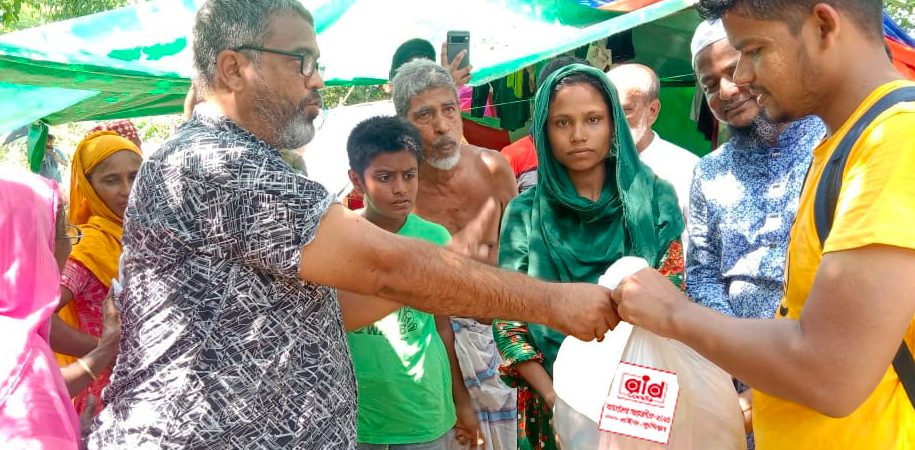
OUR WORK Flood -Emergency Response AID-COMILLA implements flood response projects during flood in Bangladesh mainly in Kurigram, Comilla, Feni and Kurigram with funding support from international funding agencies such as Christian Aid, NEAR Change Fund , START Net Work etc. Flood response is a critical component of disaster management aimed at reducing the immediate and long-term impacts of flooding on human lives, property, and the environment. It involves a coordinated set of actions carried out before, during, and after a flood event to ensure the safety and well-being of affected communities. An effective flood response begins with early warning and preparedness. Timely forecasting and dissemination of flood alerts enable communities and authorities to take preventive actions. Monitoring river water levels, rainfall patterns, and weather conditions helps in issuing warnings to vulnerable areas. Local authorities and disaster management agencies mobilize emergency response teams, pre-position essential supplies, and facilitate the evacuation of people from flood-prone zones to safer locations. Community awareness campaigns and preparedness drills further strengthen resilience at the local level. During the emergency phase, the priority shifts to protecting lives and minimizing damage. Search and rescue operations are deployed to assist stranded individuals, while evacuation to designated shelters ensures immediate safety. Emergency relief services are activated to provide affected communities with food, clean drinking water, sanitation facilities, medical care, clothing, and temporary shelter. Effective coordination among government agencies, humanitarian organizations, and community volunteers plays a vital role in ensuring timely and organized response efforts. Once the immediate danger has subsided, early recovery actions focus on stabilizing living conditions and restoring essential services. Rapid damage and needs assessments help determine the scale of destruction and the priority areas for intervention. Efforts are made to restore access to safe water, sanitation, electricity, transportation, and health services. Distribution of relief goods and financial assistance supports families in meeting basic needs. Protection of vulnerable groups, including women, children, the elderly, and persons with disabilities, is prioritized throughout this phase. In the long-term recovery and risk reduction stage, the emphasis is placed on building resilience and reducing future risks. Damaged infrastructure is rebuilt with improved designs that can withstand future flood events. Communities are engaged in disaster risk reduction programs that promote early warning systems, preparedness planning, and climate adaptation strategies. Sustainable land-use practices, improved drainage systems, and community-based disaster management approaches strengthen local capacities to respond to future floods more effectively. Overall, flood response is not limited to emergency actions but is part of a broader disaster risk management framework. It requires collaboration among government agencies, local communities, civil society organizations, and international partners. A well-coordinated flood response not only saves lives during a crisis but also contributes to building safer and more resilient communities over time. OUR RECENT WORK Women Development through Internet Rohingha Response Promoting Peace and Justice Preventing Child Marriage Pond Fisheries Development Integrated Pest Management in Rice Flood -Emergency Response Farmers Training on Ecology Corruption Prevention Chars Livelihoods Program Combating Gender Based Violance

Explore More

Farmers Training on Ecology

OUR WORK Farmers Training on Ecology AID-COMILLA implements a number of project on Ecologically Based Rodent Management training project, research, study, video documentary etc with funding support from DFID/IRRI/PERTTA, NRI, UNDO, Netherlands Organization of Scientific Research etc. in Comilla, Rangamati, Bandarbon, Khagrachori, Kustia, Netrokona, Satkhira & Bogra in collaboration with IRRI, BARI, University of Greenwich-UK, WAGENINGEN-UR Netherlands University of Dhaka (for PhD student) and Modern Rice Milling Unit-Comilla Agricultural Impact: Rodent infestations in Bangladesh pose a significant threat to agricultural production. Studies have documented that rodents are a persistent problem in rice and wheat fields, causing substantial crop losses. For instance, research indicates that while only 0.5% of wheat seedlings may be damaged by rodents, losses in mature wheat can reach 12.1%, equating to nearly 77,000 tons of grain lost in some cases (ResearchGate, 2015). Public Health Risks:Beyond agricultural damage, rodents also present serious public health concerns. Studies conducted in Comilla, Bangladesh, found that 13.1% of captured rodents carried Leptospira bacteria, the causative agent of leptospirosis, which can be dangerous to humans (PMC, 2019). Environmental and Ecological Impact:Rodent populations also influence ecological balance. Periodic rodent outbreaks in relation to bamboo flowering cycles have been observed, where the sudden surge in rodent numbers can threaten crops and disrupt local ecosystems (BanglaJOL, 2020). Management Strategies:Several strategies have been implemented to control rodent populations. Community-based rodent management programs in areas like Comilla have shown success by involving local communities. Traditional trapping methods and the use of natural predators are also common strategies for controlling rodent populations (Academia, 2013). Overall, the rodent problem in Bangladesh is a multifaceted challenge affecting agriculture, public health, and the environment. Effective research and integrated management strategies are crucial to mitigating these impacts. OUR RECENT WORK Women Development through Internet Rohingha Response Promoting Peace and Justice Preventing Child Marriage Pond Fisheries Development Integrated Pest Management in Rice Flood -Emergency Response Farmers Training on Ecology Corruption Prevention Chars Livelihoods Program Combating Gender Based Violance

Explore More

Corruption Prevention

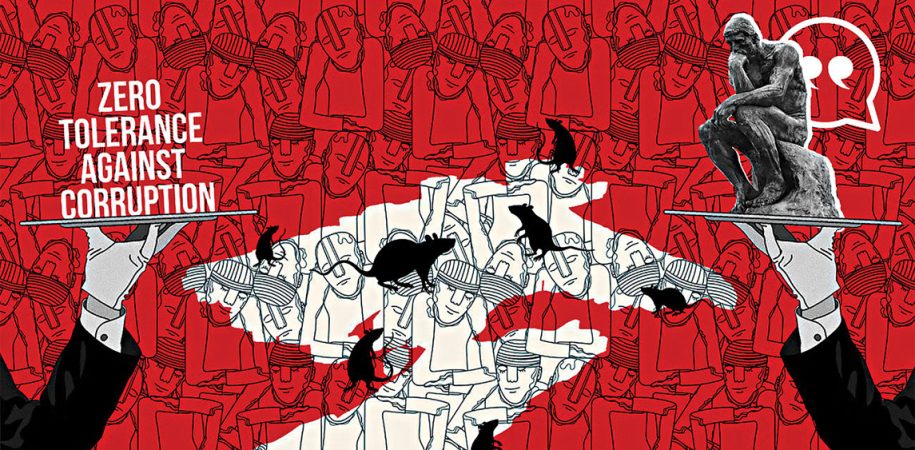
OUR WORK Corruption Prevention AID-COMILLA implements project on Corruption Prevention in association District and Upazila Corruption Prevention Committee,  in Comilla with funding support from German Technical Cooperation-GIZ Bangladesh Corruption has long been recognized as a major barrier to governance and development in Bangladesh. Numerous scholars and institutions have explored its causes, manifestations, and preventive measures. According to Transparency International (2023), Bangladesh consistently ranks among the countries struggling with high perceived levels of corruption, particularly in public administration, procurement, and service delivery. The establishment of the Anti-Corruption Commission (ACC) in 2004 marked a significant institutional attempt to combat corruption. Literature suggests that while the ACC has investigated numerous cases and raised public awareness, its effectiveness has often been hampered by political influence, limited resources, and procedural delays (Haque, 2019; Rahman, 2021). Studies indicate that strengthening institutional independence and capacity is crucial for the ACC to function effectively. Legal frameworks form another pillar of corruption prevention. The Penal Code, 1860, the Prevention of Corruption Act, and the Public Procurement Act, 2006, collectively criminalize bribery, embezzlement, and misuse of public office. Research by Chowdhury (2020) notes that despite the presence of these laws, enforcement remains weak, and prosecution is often delayed due to overburdened courts and complex bureaucratic procedures. Technological interventions have increasingly been highlighted in the literature as effective anti-corruption measures. E-governance initiatives, including online tax filing, digital land records, and online passport services, have reduced direct interaction between citizens and officials, thereby limiting opportunities for petty corruption (Ahmed, 2018; Karim, 2022). Scholars argue that expanding digital platforms and transparency portals can substantially improve accountability in public service delivery. The role of civil society and media in corruption prevention is also well-documented. NGOs, journalists, and citizen groups act as watchdogs, exposing irregularities and advocating for greater transparency (Hossain, 2017). Social accountability mechanisms, such as citizen charters, hotlines, and public hearings, have been effective in monitoring government activities and ensuring responsiveness. Despite these measures, corruption persists due to socio-political and cultural factors. Studies highlight the normalization of small-scale informal payments, political interference in anti-corruption bodies, and limited civic engagement as persistent challenges (Rahman, 2021; Chowdhury, 2020). Consequently, literature emphasizes a multi-dimensional approach: legal enforcement, institutional strengthening, technological adoption, civic participation, and political commitment are all essential to achieving meaningful corruption prevention. In conclusion, the body of literature on corruption prevention in Bangladesh suggests that while progress has been made, persistent challenges remain. Scholars advocate for enhancing institutional independence, expanding e-governance, promoting civic vigilance, and fostering a culture of integrity as key strategies to reduce corruption and strengthen governance. OUR RECENT WORK Women Development through Internet Rohingha Response Promoting Peace and Justice Preventing Child Marriage Pond Fisheries Development Integrated Pest Management in Rice Flood -Emergency Response Farmers Training on Ecology Corruption Prevention Chars Livelihoods Program Combating Gender Based Violance

Explore More
  • 1
  • 2

subcribe Now

You can be always date with our company news.

©2026 © AID-COMILLA. All rights reserved.